How to Spot Roof Damage After a Storm
Roof damage can often be subtle and difficult to detect, especially after a storm. Understanding how to identify potential issues is crucial for maintaining your home and preventing costly repairs. In this blog post, we will outline key signs of roof damage and provide tips on how to inspect your roof safely and effectively.
Why Roof Inspections Are Important
Regular roof inspections can save homeowners money and stress in the long run. Here are some benefits of conducting timely roof assessments:
- Prevents leaks and water damage
- Extends the lifespan of your roof
- Identifies issues early before they worsen
- Improves energy efficiency
- Enhances the property's curb appeal
Signs of Roof Damage to Look For
After a storm, be vigilant for signs of roof damage. Here are several indicators that your roof may require attention:
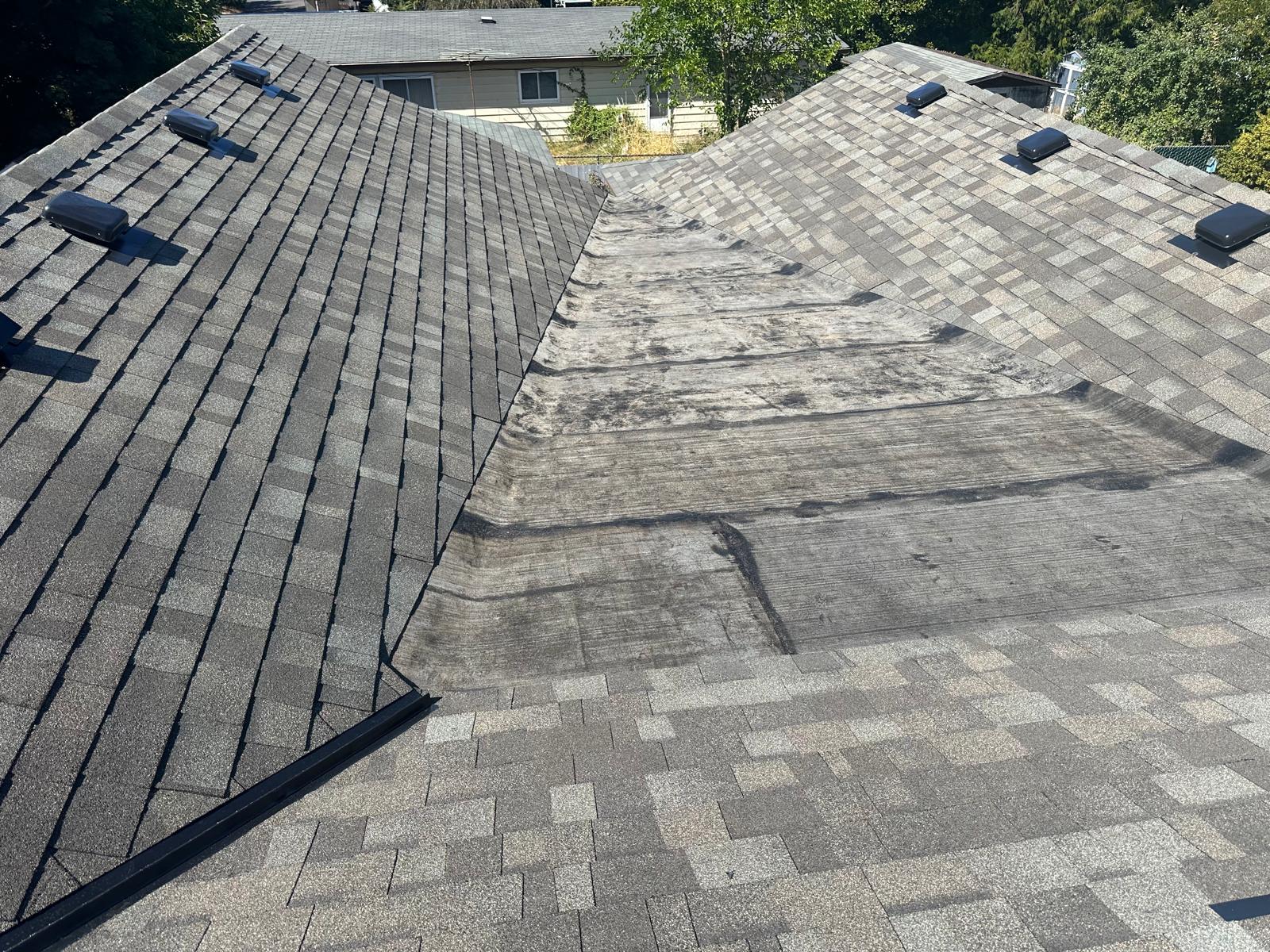
- Missing or damaged shingles
- Dents or cracks in the roofing material
- Visible wear and tear on flashing
- Water stains on ceilings or walls inside your home
- Debris accumulation in gutters and downspouts
- Mold or mildew growth in attic spaces
How to Inspect Your Roof Safely
Inspecting your roof should be done with caution. Follow these safety tips when performing a roof inspection:
- Use a sturdy ladder and have someone assist you.
- Wear non-slip shoes for better grip.
- Avoid inspecting during wet or windy conditions.
- Look for issues from the ground using binoculars when possible.
- Consider hiring a professional if you're uncomfortable with heights.
When to Call a Professional Roofer
While DIY inspections are valuable, some situations warrant a professional assessment. You should contact a roofing expert if you notice:
- Extensive roof sagging
- Multiple leaks or signs of water damage
- Severe storm damage with visible debris
- Uncertainty about the extent of damage
- Concerns about safety during inspection
Choosing the Right Roofing Contractor
Selecting a reliable roofing contractor is essential for quality repairs. Here are key factors to consider:
- Check for licensing and insurance
- Read online reviews and testimonials
- Ask for references from past clients
- Get multiple quotes for comparison
- Ensure they offer a warranty on their work
Preventive Measures for Roof Maintenance
Taking proactive steps can help minimize the risk of roof damage. Implement these preventive measures:
- Schedule regular roof inspections at least twice a year
- Clear debris from gutters and downspouts
- Trim overhanging tree branches
- Apply roof sealant as recommended
- Stay informed about local weather conditions
Conclusion
Recognizing roof damage early can save you time and money. After any storm, make it a priority to inspect your roof for signs of damage and take necessary actions. Whether you choose to do it yourself or hire a professional, ensuring your roof remains in good condition is key to maintaining the safety and integrity of your home.